
Designing a home for an extended family is no small feat. It’s about more than just creating extra space—it’s about blending the needs of multiple generations under one roof in a way that fosters both connection and privacy.
Whether you’re accommodating aging parents, adult children, or young ones, your home must strike a balance between communal living and individual retreats. As a builder with over 25 years of experience, I’ve worked on countless projects that cater to large, multigenerational families.
I’ll take you through the best design ideas, layout tips, and real-life examples to help you create the ideal home for extended family living. From flexible floor plans to outdoor spaces that bring everyone together, let’s explore the most effective ways to design a home that works for everyone in your household.
The Rise Of Multigenerational Living: Why Extended Families Need Specialised Home Designs
As a builder with over 25 years of experience in residential design, I’ve seen firsthand how the demand for multigenerational homes has grown. Whether due to economic factors, the rise of caregiving responsibilities, or simply the desire for families to be more connected, the design of homes for extended families has become a topic of greater conversation.
Understanding The Growing Demand For Extended Family Homes
Australia has always been a country where family values are held in high regard; however, we’ve recently noticed a significant shift in how families live together. With housing affordability in metropolitan areas like Melbourne becoming increasingly challenging, multigenerational living is no longer just a cultural preference—it has become a necessity for many families.
Consider a recent project in Berwick, where we helped design a home for a family with three generations: grandparents, parents, and young children. The solution was a spacious, dual-living home design. This design enabled the grandparents to reside in a self-contained area with their entrance, while remaining close enough to participate in daily family activities. The design worked wonders for their needs, as they could easily care for the children without feeling isolated.
What struck me about this project was how much smoother the family dynamic became once they were living in a house designed for their needs. The grandparents felt connected but not crowded, the parents had privacy, and the kids had the space to play without disturbing others. In a typical layout, this balance wouldn’t have been possible, which is why home designs for extended families must be thought out carefully.
Balancing Togetherness And Privacy In Home Designs
Creating harmony within the walls of an extended family home can be tricky. After all, it’s not just about providing enough space, but about ensuring everyone feels like they have a private retreat. Imagine living with a toddler who wakes up at 5:30 am, a teenager who stays up until 1 am, and a set of grandparents who have an early bedtime—all under one roof. Without private spaces, the tension could be unbearable.
This is where the design of separate wings or dual master suites becomes crucial. A good example is a project in Mornington Peninsula, where we integrated a dual living design that offered the parents their own space at one end of the house, with the children’s rooms and the grandparents’ suite on the other side. Not only did this layout provide sufficient separation for privacy, but it also offered the family shared spaces, such as the open-plan kitchen and dining area, where they could gather together.
Core Principles For Designing Homes For Extended Families
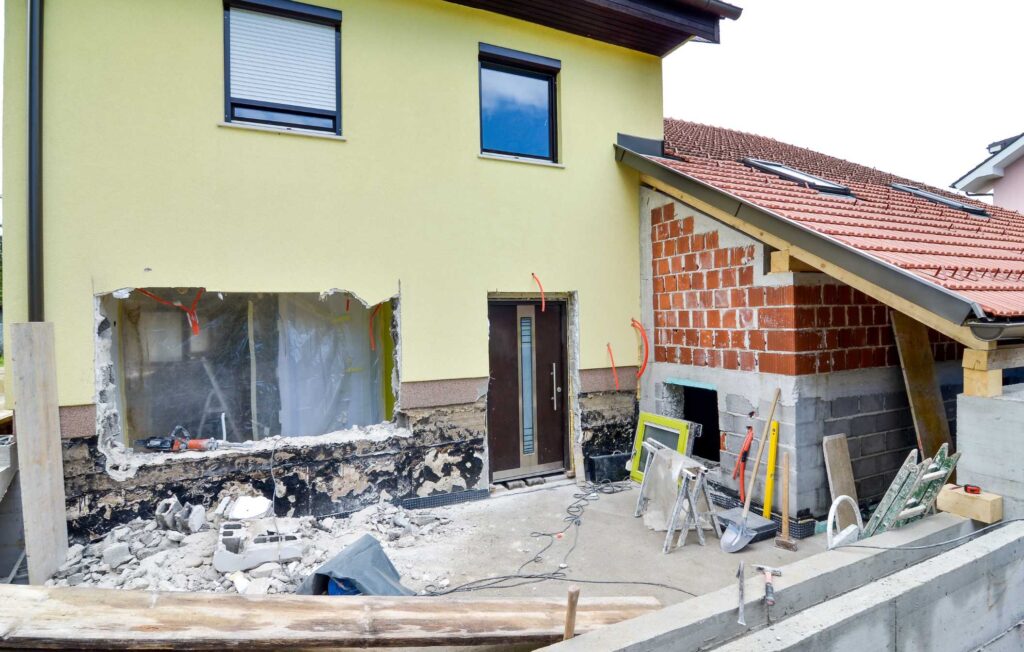
Designing for extended families isn’t about building a bigger house; it’s about building a smarter one. After all, what’s the point of more space if it’s not thoughtfully distributed?
Flexibility And Adaptability: Homes That Evolve With Family Needs
One of the first lessons I learned as a builder was the importance of designing homes that can evolve and adapt over time. The needs of a family change, and flexibility in design can ensure the home continues to serve its purpose as the family grows, ages, and changes. I’ve seen many families live in the same home for decades, where the children eventually leave, and the space they once occupied is repurposed—sometimes for home offices, sometimes for guests, or even an in-law suite.
Here’s a checklist of key features to ensure a home can adapt to changing family dynamics:
- Movable Partitions: Use sliding doors or walls that can be reconfigured as needed. This is especially useful in multi-generational homes.
- Flexible Room Use: Rooms that can serve multiple purposes, such as turning a guest bedroom into a playroom or study area.
- Planning for Future Expansion: Design foundations that can support an extra floor or room, allowing the home to grow with the family.
- Adaptable Layouts: Allow spaces to serve multiple functions, such as having an entertainment room that can also double as a home office.
A perfect example of this adaptability is a project in Glen Waverley, where we designed a home with multi-functional rooms that could be converted as needed over time. Whether it was for a growing family or elderly parents, these spaces could be easily adapted with minimal effort.
Creating Private Retreats: Ensuring Personal Space For Everyone
I’ve often found that the key to a harmonious family home is privacy—each family member needs their own space to unwind and feel at ease. This is especially true in multigenerational homes, where the intergenerational dynamic can sometimes feel overwhelming. Without private retreats, family life can feel like a constant blur of competing needs and interests.
To create these private retreats, here are a few design strategies:
- Separate Bedrooms with En Suites: Ensuring that each family member has their own private space with a separate bathroom can go a long way in maintaining personal privacy.
- Dual Master Suites: A popular feature in extended family homes, where both parents or older relatives have their own space.
- Independent Entrances: For larger families, independent entrances for different family units can help maintain privacy while allowing for easy interaction.
In a recent multi-generational house project in Caulfield South, we incorporated soundproofing between the main living areas and bedrooms to ensure privacy. The separate entrances allowed for independent access, so the parents and grandparents could maintain their daily routines without disturbing one another.
Popular House Designs For Extended Families
When designing homes for large families, it’s essential to select layouts that cater to a diverse range of needs, from private spaces to communal areas. Whether you’re renovating an existing house or building from scratch, it’s crucial to select a design that provides both individual retreats and ample shared spaces for family interaction.
Family Compound Layouts: Independent Yet Connected Living
A family compound layout is one of the most flexible options for multigenerational living. This design concept involves building multiple homes on the same piece of land, each with its own living space and private areas, while sharing outdoor and communal gathering zones.
This is an excellent choice for large families who want to live nearby but still maintain their independence. A family compound layout can range from a small cluster of homes to a larger multi-house setup. Here’s an example of what this layout might look like:
| Family Unit | Private Space | Shared Space |
| Grandparents | Detached granny flat with en suite and kitchenette | Shared garden, outdoor seating area for family gatherings |
| Parents | Main house with private master suite and large kitchen | Open-plan living area and kitchen shared with the kids |
| Young Adults/Children | Separate bedrooms with communal study areas | Shared family room, playroom, or media room |
For example, a family on the Mornington Peninsula recently commissioned us to design a family compound comprising three homes on a large parcel of land. Each home was built with an independent living area, but they all shared a central garden area that encouraged family meals, barbecues, and evening gatherings. This design enabled each family unit to maintain its privacy while still fostering strong family ties through shared spaces.
Accessory Dwelling Units (ADUs): Ideal For Aging Relatives Or Young Adults
Accessory Dwelling Units (ADUs) are a fantastic solution for families looking to provide independent living space for older relatives or adult children who are temporarily staying with their parents. Whether attached to the main home (e.g., garage conversions or basement suites) or detached (e.g., granny flats), these small, self-contained units provide privacy, autonomy, and flexibility.
ADUs can serve multiple purposes:
- Housing aging parents or relatives with their private entrance and facilities.
- Renting out the unit to generate additional income.
- Providing living space for young adults who may need more independence.
Take, for instance, a recent project we completed in Oakleigh South, where we built an ADU for a family looking to accommodate their elderly parents. The unit was designed with wheelchair access, a private bathroom, and a small kitchenette, providing the grandparents with independence while staying close to their children. This granny flat design made a huge difference, as it allowed the parents to maintain privacy while being just a few steps away from family support.
Dual Occupancy Homes: Maximising Land Use With Separate Dwellings
Dual occupancy homes are ideal for families looking to make the most of a smaller block of land. These homes typically consist of two separate dwellings on a single piece of land, each with its own kitchen, bathroom, and bedrooms. The dwellings can be side by side, stacked, or even separate buildings, depending on the land’s size and shape.
This layout is popular among families who seek independence while maintaining proximity. A dual occupancy design also maximises the use of smaller land parcels, which is becoming more important in urban areas like Melbourne, where land prices are sky-high.
Here’s a breakdown of a dual occupancy design:
| Feature | Primary Dwelling | Secondary Dwelling |
| Private Living Space | Master suite with en suite, kids’ bedrooms | Independent one-bedroom unit with kitchen and bathroom |
| Shared Area | Shared garden, driveway, garage | Small private patio or balcony for outdoor space |
| Family Interaction | Open-plan kitchen and living area for family time | Shared family room and yard for occasional visits |
In a recent dual living home design project in St Kilda East, we built two separate units on a 600m² block. The primary dwelling was a spacious home with a large backyard, while the secondary dwelling, designed for the elderly parents, had a wheelchair-accessible bathroom and its private garden. This design enabled the family to live independently, with the added benefit of sharing communal spaces, such as the garage and garden, when needed.
Vertical Family Homes: Multi-Story Solutions For Growing Families
For small or narrow lots, a vertical family home design might be the best solution. These homes consist of multiple stories, with each floor serving a different purpose—private bedrooms on one level, living areas on another, and often a third for entertainment or hobbies. Vertical homes are ideal for families who want to accommodate multiple generations without increasing the house’s footprint.
For example, a recent project in Carlton involved designing a three-story family home for a multigenerational family. The bottom floor was a self-contained studio apartment for the grandparents, complete with a kitchenette and an en-suite bathroom. The middle floor served as the primary living space, while the top floor was dedicated to the children, each with their own room and study area.
The key benefits of a vertical home design are:
- Maximising small land plots by going up rather than out.
- Ensuring privacy through the clear separation of private and shared spaces
- Room for expansion—as the family grows, additional levels or rooms can be added to meet new needs.
Outdoor Space Designs For Extended Families
In any multigenerational household, outdoor spaces play a vital role. They serve as the areas where families can gather, relax, and enjoy time together, while also offering privacy for those who prefer solitude.
Creating Family-Centred Outdoor Living Spaces
Outdoor spaces are more than just backyards or gardens. They’re the areas where families gather to celebrate birthdays, have barbecues, or simply unwind after a long day. Outdoor living spaces are especially important for extended families, as they provide everyone with room to breathe without feeling cramped.
Here are a few outdoor design ideas for extended families:
- Multiple Outdoor Zones: Designate areas for various needs, such as a children’s play area, a quiet garden nook, and a large patio for family meals.
- Accessible Pathways: Ensure all outdoor areas are easily accessible for older family members or those with mobility issues. Wide, flat pathways should be used to connect different spaces.
- Shaded Areas: Include outdoor seating with shaded areas to ensure everyone can comfortably enjoy the outdoors, especially in hot weather.
In Parkdale, we designed a spacious backyard with areas designated for play, relaxation, and dining. The children’s play area was outfitted with safe, soft surfaces, while the patio area featured a large dining table where the entire family could eat together. A shaded pergola provided shelter for the grandparents, allowing them to enjoy outdoor gatherings without being exposed to the sun.
Accessible And Comfortable Outdoor Areas
When designing for extended families, accessibility is paramount. Older adults or family members with mobility challenges should be able to enjoy outdoor spaces without difficulty. This means planning smooth, wide pathways and ensuring that seating areas are easily accessible.
Here’s how to make your outdoor areas more accessible:
- Wide, Step-Free Paths: Create smooth, wide walkways to connect different parts of the yard. These areas should be step-free, ensuring easy movement for individuals using mobility aids such as walkers or wheelchairs.
- Seating for All: Consider comfortable outdoor seating that suits all family members, including benches with armrests for elderly family members or those with limited mobility
- Wheelchair-Friendly Design: Ensure that paths and seating areas are accessible to people using wheelchairs. This might mean ensuring that doorways leading to outdoor spaces are wide enough or providing a smooth transition from indoors to the garden.
For instance, in Frankston, we worked on a wheelchair-friendly garden for a family with an elderly member who used a walker. The pathways were wide, made of smooth stone, and led to a relaxation area with comfortable chairs and cushions. The patio area was easily accessible, and the family could enjoy the outdoors together with minimal effort.
| Feature | Benefit for Accessibility |
| Smooth, Wide Pathways | Easy to navigate for family members with mobility challenges. |
| Comfortable Seating | Armrests and cushioned benches provide a comfortable space for relaxed outdoor time. |
| Wheelchair-Friendly Design | Ensures ease of access from inside to outdoor spaces. |
Landscaping For Privacy And Enjoyment
A well-designed landscape can serve as a natural boundary, providing privacy for each family unit while enhancing the home’s aesthetic appeal. By using strategic planting, you can create privacy screens that separate different zones within your outdoor space without the need for physical walls.
Here’s how to approach landscaping for privacy and enjoyment:
- Privacy Screens: Utilise tall plants, hedges, or trellises to create natural barriers between distinct outdoor areas. This allows the grandparents to enjoy a quiet corner, while the children have space to play nearby.
- Windbreaks: Plant trees or install barriers to shield outdoor living areas from the wind, making the space more enjoyable during cooler months.
- Seasonal Interest: Choose plants that provide visual interest year-round, from flowering shrubs in spring to evergreens in winter.
A great example of this was a landscape design in Warragul. We incorporated a mix of tall hedges and climbing plants on trellises to create privacy between the different family units within the home. This gave everyone their own space while allowing the family to come together in a shared garden area. Additionally, we planted lavender and rosemary for fragrance and visual appeal, making the garden both functional and beautiful.
| Landscaping Feature | Purpose |
| Tall Hedges | Natural privacy screens between family units or different outdoor zones. |
| Climbing Plants on Trellises | Adds privacy and aesthetic appeal while saving space. |
| Windbreaks (Trees/Barriers) | Protects outdoor spaces from wind, making them more comfortable. |
| Seasonal Plants | Provides year-round visual interest, even in winter. |
Designing a home for an extended family requires careful planning, a thoughtful layout, and a deep understanding of how different generations interact under one roof.
Whether you’re building from the ground up or renovating, the key is to strike a balance between privacy and communal spaces, ensuring each family member has their retreat while also providing ample room for family gatherings.
By considering flexibility, accessibility, and the evolving needs of your family, you can create a home that not only accommodates everyone comfortably but also fosters strong family cohesion. With the right design, your home can become a sanctuary for all generations to thrive together.
