
Building a custom home is one of the most exciting and significant investments you’ll make in your life. It’s not just about creating a place to live, but about designing a space that truly reflects your lifestyle and aspirations.
Whether it’s a modern, open-plan home in Melbourne’s bustling suburbs or a more secluded retreat in the hills, the process of turning your vision into reality requires careful planning, thoughtful decision-making, and a solid understanding of what’s involved at each stage.
Having worked on various custom home builds, I can attest that preparation is the key to success. In this guide, we’ll explore the essential steps and considerations to ensure your dream home is everything you’ve envisioned and more.
I. Initial Planning And Preparation For Your Dream Home
Define Your Priorities And Vision For The Perfect Home
Building a custom home isn’t just about four walls and a roof; it’s about creating a space that fits the unique needs of you and your family. I recall the first time I stood on a plot of land with my clients, gazing out across the space, discussing their dream home. We started by discussing what truly mattered—how they lived, how they wanted to live, and what they envisioned for the future. Their vision became the foundation of everything that followed.
The first step is always to define your priorities. What’s non-negotiable? Is it a large kitchen because cooking and entertaining are your passions, or do you need a home office with great natural light since you work from home most days? Consider your lifestyle—do you enjoy hosting guests and serving big dinners, or would you prefer a quieter, more intimate setting? The layout of your home should reflect these preferences.
Here’s a simple priorities checklist to help you focus on what truly matters for your new home:
| Priority | Considerations |
| Size & Layout | How much space do you need? Do you need additional rooms for family growth? |
| Style & Design | What architectural style suits you—modern, traditional, or eclectic? |
| Functionality | Do you need spaces that serve dual purposes (e.g., office/guest room)? |
| Storage Needs | How much storage do you need for everyday items and seasonal belongings? |
Research And Education: What To Know Before You Start Building
A bit of homework here can go a long way. One mistake many homeowners make is diving straight into the design phase without fully understanding the entire home-building process. It’s easy to get caught up in the excitement, but the more you know upfront, the smoother things will go.
Before you pick a builder, take the time to tour homes—whether that’s by visiting new builds, attending home shows, or simply looking at display homes. When I took on my first major project, I spent months touring homes and speaking with architects and designers to gain insight into what worked and what didn’t. This gave me invaluable insight into the types of materials and layouts that I liked, and more importantly, those I didn’t.
Another thing I suggest to clients is to research the process and explore the various building products available. Understand what’s trending—whether it’s energy-efficient materials or eco-friendly technologies—but also be aware of what works in the local climate.
Building a home in Melbourne is different from building in, say, the more temperate regions of Sydney or the rugged terrain of Tasmania. You’ll want to incorporate materials that withstand Melbourne’s variable climate—think insulation that keeps you warm in winter but cool in summer, or flooring materials that can endure Melbourne’s often wet winters.
Creating A Realistic Budget
Ah, the budget—the make-or-break aspect of any project. I’ve seen firsthand how a lack of realistic budgeting can throw the entire process off track. In my experience, many people only focus on the construction costs, but there are a host of other factors to consider as well.
Start with a comprehensive budget that includes land acquisition costs, permits, design fees, and all other necessary expenses that are often overlooked. I always recommend setting aside a contingency fund of around 10-20% of the initial budget. This might seem like a lot, but trust me, unexpected costs pop up. Whether it’s a slight increase in material prices or an unexpected change in plans, it’s better to be safe than sorry.
Here’s a detailed breakdown of your budget components:
| Budget Component | Estimated Percentage of Total Budget |
| Land Acquisition & Preparation | 10-20% |
| Architectural, Design, and Permitting Fees | 10-20% |
| Construction Costs (Materials, Labour, Site Prep) | 50% |
| Finishing Touches (Appliances, Landscaping, Décor) | 8% |
| Overlooked Expenses (Taxes, Utilities, HOA Fees) | 5-10% |
For example, when working with a client in the outer suburbs of Melbourne, we underestimated the site preparation costs because the land was more rugged than expected. We had to account for additional work in clearing the lot and preparing the foundation, which increased the overall cost. However, having that contingency fund in place helped them stay on track financially without any last-minute stress.
I also want to emphasise the importance of negotiating costs with your builder. You’d be surprised at the savings that can be achieved by asking about discounts, such as utilising discontinued materials or exploring preferred lender options for more favourable financing rates. This can help keep costs in check without sacrificing quality.
II. Site Selection: Choosing The Right Land For Your Build

Location, Location, Location: Factors To Consider When Buying Land
Choosing the right lot is one of the most critical decisions when building a custom home. The location influences everything from construction costs and home design to your home’s long-term value and convenience. A good site will provide more than just a place to build—it sets the tone for the entire living experience.
I’ve often advised clients to consider not only their immediate needs but also the future value of the property. For instance, if you’re moving to a rural area, it’s essential to consider the potential for future developments nearby. A once-quiet suburb can quickly turn into a bustling neighbourhood, potentially raising your property’s value—or diminishing it if new developments don’t align with your vision.
Key factors to evaluate when choosing the site for your new home include:
Proximity to Work and Amenities
The ideal location strikes a balance between tranquillity and accessibility. Being close to work, schools, shopping centres, and healthcare facilities is convenient and can also improve your home’s resale value.
Future Development Plans
Always research local government plans for the area. This could include future infrastructure, such as roads, schools, and shopping centres. Understanding this can help you foresee any changes that might impact the neighbourhood’s character or your privacy. A well-placed home today could see a major shift if, say, a major highway is planned to run through your street.
Topography And Slope: How The Land’s Shape Affects Your Build
The shape and slope of the land can drastically affect your home’s design and construction costs. A sloped lot, for example, might offer dramatic views but could require specialised foundations, such as retaining walls or engineered structures to accommodate the slope. It may also require additional excavation work, which can significantly increase the project’s costs.
Consider this example: when I worked on a project in the hills of Melbourne’s Dandenong Ranges, we had to contend with a steep incline. To create a functional and aesthetically pleasing design, we implemented a split-level home. This offered a great view but added extra challenges in terms of foundation work, which ended up being 20% more expensive than a flat lot build.
Here are some other topography-related factors to consider:
- Drainage: Ensure the land has natural drainage. Poor drainage can lead to flooding and foundation problems.
- Soil Type: Conduct a soil test to ensure the ground is stable and suitable for planting. In some areas with clay soils, expansive soils can cause foundations to shift.
Soil Conditions And Geological Considerations
For a solid home, soil testing is a must. If you’re building in an area with poor soil conditions—for instance, expansive clay—you’ll need to account for special foundation techniques. Expansive soil can expand when wet and shrink when dry, which could cause cracking in walls and foundations.
Geotechnical testing will help determine whether the soil can support the building’s weight and if any additional measures are needed to stabilise it.
| Soil Condition | Required Foundation |
| Expansive Clay | Reinforced concrete slab or pier and beam foundation |
| Loose Sand | Deep foundation piles or reinforced foundations |
| Rocky Terrain | Excavation for rock anchoring |
| Moist, Wet Soil | Raised foundation to prevent water damage |
III. Assembling Your Team: The Professionals You’ll Need
Hiring A General Contractor Or Builder
The builder you choose will shape the entire journey. I’ve seen the difference a good builder makes in the outcome. A reliable contractor doesn’t just build your house—they’re your problem solver, your advisor, and your project manager.
When hiring a builder, it’s important to:
- Research their Reputation: Check online reviews and ask for referrals from past clients. Word of mouth is invaluable in the construction industry.
- Review Their Portfolio: Make sure their style aligns with your vision. Visit some of their past projects, or better yet, ask to tour homes that are currently under construction to assess the quality of their work.
- Verify Licenses and Insurance: Always ask to see their credentials. Builders should have relevant licenses and insurance coverage to legally operate in your state, which protects you in case of accidents or defects.
Here’s a quick checklist to help you vet potential builders:
| Checklist Item | What to Check |
| References and Reputation | Ask past clients about their experience and satisfaction |
| Portfolio Review | Examine past projects for style and quality |
| Insurance & Licenses | Verify necessary certifications and insurance coverage |
| Project Management System | Discuss their approach to managing subcontractors, timelines, and budgets |
Architect: When You Need One
An architect is essential when planning a custom home, especially for complex builds. They bring structure to your vision, ensuring your home is functional and compliant with local regulations. I’ve worked on many projects where the architect’s input helped create a design that exceeded expectations.
If you’re building a custom home in Melbourne or other areas with strict design regulations, such as heritage overlays or council planning restrictions, an architect’s expertise is invaluable.
IV. Design And Customisation: Bringing Your Dream To Life
Avoid Rushing The Design Phase
One of the most common mistakes I see is rushing through the design phase. This is the stage where you put the blueprint of your dreams on paper, and it’s essential to take your time. I always tell my clients, “This is the stage where you can afford to dream big, as changes are exponentially more expensive once the walls start going up.”
I recall a particular project in suburban Melbourne where the homeowners were so eager to start construction that they rushed the design. They ended up making significant changes once construction began, resulting in extra costs and delays. It wasn’t a disaster, but it certainly added time and money that could have been avoided with a bit more planning up front.
Take the time to refine every detail—floor plans, room sizes, even the placement of doors and windows. Your home should be a reflection of your lifestyle, so think about how you’ll use each space.
Balance Aesthetics And Functionality
When designing a custom home, it’s easy to get caught up in aesthetics—after all, this is your dream home! But let’s not forget the importance of functionality. A well-designed house strikes a balance between beauty and practicality.
One thing I always emphasise is the flow of the rooms. Imagine how the space will be utilised daily. Will the kitchen and living areas feel connected, allowing for easy movement and interaction? Will the layout support family activities and social gatherings? The goal is a home that feels open and inviting, yet still functional for your day-to-day needs.
Here are a few things to consider:
- Room Layout: Open-plan designs are popular, but sometimes it’s better to have distinct rooms for different functions.
- Maximising Natural Light: Consider how windows and natural light will impact your space—having the right number of windows can make a room feel larger and brighter.
- Storage: Don’t sacrifice storage space for looks! A stylish home can still have ample storage through clever cabinetry and well-designed closets.
Incorporate Energy Efficiency And Sustainability
Incorporating energy-efficient features into your design is no longer just a trend—it’s a smart investment. Not only do these elements reduce your carbon footprint, but they also help you save on utility bills over time. With rising energy costs, energy efficiency is an essential feature of modern homes.
When I built my own home in Melbourne, I made sure to include solar panels and double-glazed windows—they’ve made a noticeable difference in energy savings, especially during Melbourne’s unpredictable weather. It’s not only a great step for sustainability, but also for the longevity of the home.
Here are some key energy-efficient features you should consider:
| Feature | Benefit |
| Solar Panels | Reduces electricity costs and your carbon footprint |
| Energy-efficient Appliances | Lowers energy consumption without compromising performance |
| Proper Insulation | Keeps your home comfortable and reduces heating/cooling costs |
| Smart Thermostats | Automatically adjust the temperature for optimal energy use |
| Water-saving Fixtures | Reduces water usage and saves on utility bills |
V. Financing And Legalities: The Money And Paperwork Behind Your Build
Secure Financing: Construction Loans And Payment Structures
Securing the right financing is often one of the biggest hurdles when building a home. It’s crucial to understand that a construction loan is different from a regular home loan. While traditional home loans are paid out in a lump sum, construction loans are disbursed in stages as work progresses.
I’ve seen many first-time homebuilders get caught up in the excitement and forget to secure their financing early on, only to find themselves in a difficult situation when it comes time to pay the builder. Pre-approval for a loan is essential before you begin your project.
Here’s a breakdown of how a typical construction loan works:
| Step | Description |
| Pre-Approval | Get pre-approved before starting your project. |
| Disbursements | Funds are released in stages (e.g., after foundation, framing, etc.). |
| Interest Payments | Payments are made only for the amount disbursed, not the total loan amount. |
| Conversion to Mortgage | Once the house is complete, the loan is converted into a traditional mortgage. |
Acquiring Building Permits And Complying With Regulations
Before any work begins, you’ll need to obtain building permits and ensure compliance with local regulations. This step can be a bit time-consuming, but it’s essential for the success of your build.
Building codes vary from region to region, and Melbourne has some very specific regulations related to building heights, setbacks, and heritage preservation. As part of your due diligence, you’ll need to understand what permits are required and how long the approval process will take.
Here’s a timeline of typical permits and approvals in Victoria (for example):
| Permit | Timeframe for Approval |
| Planning Permit | 2-4 weeks |
| Building Permit | 4-6 weeks |
| Demolition Permit | 1-2 weeks |
| Final Inspection/CO | 1-2 weeks after completion |
Your builder may handle the permitting process, but ensure you confirm who is responsible. It’s also a good idea to schedule regular inspections by local authorities to ensure everything is progressing according to the local building codes.
Legal Contracts: What To Include In Your Building Agreement
Having a detailed contract is essential in avoiding misunderstandings with your builder. A well-written contract should outline everything, from materials and construction timelines to payment schedules and responsibilities for changes to the scope of work.
Here’s a list of key clauses your contract should include:
- Scope of Work: Detailed description of the project, including materials, finishes, and any special requirements.
- Payment Schedule: A clear breakdown of payments, including deposits, progress payments, and final payment.
- Timeline: Specific deadlines for different stages of the project.
- Change Orders: A clause outlining how additional costs or changes to the original scope will be handled.
- Warranties and Insurance: Details about builder warranties and insurance coverage.
I always recommend reviewing the contract with a real estate lawyer before signing. This ensures you’re fully aware of your rights and obligations, and it helps prevent future disputes.
VI. Construction Process: From Groundbreaking To Final Walkthrough
Understand The Timeline: How Long Does It Take To Build A Custom Home?
Building a custom home is a lengthy process. On average, a custom home in Melbourne can take anywhere from 10 to 24 months to complete, depending on the complexity of the design and the availability of materials and labour.
I’ve worked on projects where the timeline was impacted by unforeseen delays, ranging from adverse weather conditions to delayed materials. It’s crucial to build in buffer time to account for these unpredictable elements.
Key Construction Phases
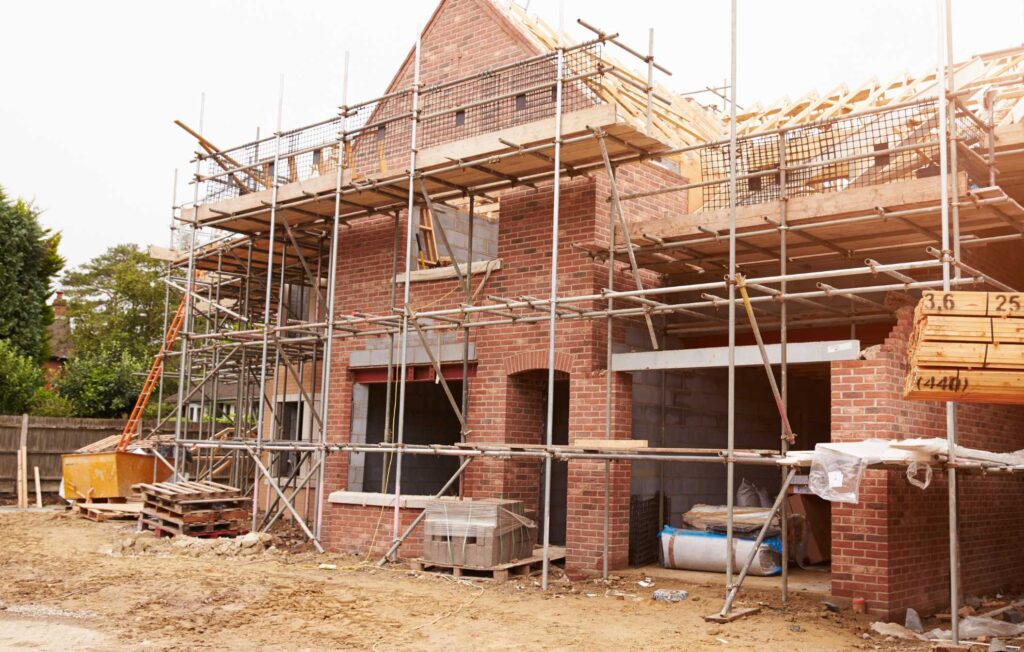
The homebuilding process typically unfolds in several key phases:
- Site Preparation and Foundation: Clearing the land, grading, excavation, and laying the foundation.
- Framing: Building the skeleton of the house, including walls, floors, and roof.
- Rough-In Utilities: Installing plumbing, electrical, and HVAC systems.
- Insulation and Drywall: Adding insulation for energy efficiency, followed by drywall installation.
- Interior and Exterior Finishing: This includes flooring, painting, cabinetry, siding, and roofing.
- Final Touches: Installing fixtures, landscaping, and the final inspection before move-in.
Material Quality: Choosing The Right Materials For Longevity
You can’t cut corners when it comes to materials—investing in quality will pay off in the long run. Critical components, such as foundations, roofing, and framing, should never be compromised. For high-traffic areas, premium materials such as hardwood flooring or stone countertops are well worth the investment.
For example, during a recent build, we opted for reclaimed timber for the flooring, which added both character and durability, while also being eco-friendly.
VII. Post-Construction: The Final Steps To Your New Home
Final Inspection And Certificate Of Occupancy
Once the construction phase is complete, it’s time for the final inspection. This is the moment when everything you’ve been working towards comes together. You’ll need to have a final inspection conducted by a local building authority to ensure that your home meets all building codes and is safe for occupancy. This is especially important for ensuring that the home is structurally sound and all systems (plumbing, electrical, HVAC) are fully operational.
In Melbourne, for example, the process can take a few weeks, depending on the local council’s availability for inspections. I recall working on a home in Brighton, where we had to wait an additional week for the final certificate of occupancy due to delays in inspections caused by high demand at the time. While delays can happen, ensure you’re proactive in scheduling inspections to avoid further setbacks.
Here’s a checklist of what typically happens during a final inspection:
| Inspection Item | What to Check |
| Structural Integrity | Inspect the walls, beams, roof framing, and foundation for any visible cracks or issues. |
| Safety Systems | Verify the installation of smoke alarms, fire exits, and emergency systems to ensure compliance with regulations. |
| Utilities | Ensure all plumbing, electrical, and HVAC systems are functioning correctly. |
| Finishing Touches | Inspect the paint quality, flooring installations, door and window seals, and final touches. |
Once you pass the inspection, you’ll receive the Certificate of Occupancy (CO), which officially allows you to move in. This certificate serves as your green light to embark on the next chapter of your life in your new home.
Builder’s Warranty And Post-Construction Support
Most newly built homes come with a builder’s warranty. This warranty can cover different periods depending on the component:
- 1-year warranty on finishes and workmanship (e.g., paint, cabinetry, flooring)
- 2-year warranty for systems like plumbing, electrical, and HVAC
- Up to a 10-year warranty for structural defects
It’s essential to keep a record of this warranty and know exactly what is covered. Some minor issues—like a squeaky door or a light switch that’s not working—will fall under the warranty for the first year. But, in my experience, the most important thing to remember is that early detection is key. Addressing small problems early will prevent them from becoming expensive fixes later.
I’ve had clients who were unsure whether to contact the builder for minor issues, only to find out later that they had missed the opportunity to have certain repairs covered under warranty. Don’t be afraid to raise concerns during the warranty period—your builder should be available for follow-up support.
Snag List: The Importance Of A Thorough Final Walkthrough
Before you make the final payment and sign off on the project, always create a “snag list”—a checklist of any remaining tasks or imperfections that need to be completed. This is one of the most important steps I advise my clients to take, as it ensures that every detail meets your expectations.
I’ve been on many final walkthroughs where clients have noticed minor issues, such as unfinished trim work or small paint touch-ups, that were previously overlooked. These items are easy to fix but can be missed if you’re too eager to move in. A final re-inspection ensures that all items on your snag list have been completed before you make the final payment to your builder.
Here’s a simple snag list checklist to use during your walkthrough:
| Snag Item | Action Needed |
| Minor Paint Touch-ups | Review all painted surfaces for missed spots or smudges. |
| Trim and Moulding | Ensure all trim is properly installed and finished. |
| Flooring | Check for scratches or chips in flooring materials. |
| Cabinet Doors | Open and close all cabinet doors to ensure proper alignment. |
| Windows and Doors | Test all windows and doors to ensure they open, close, and lock smoothly. |
This final inspection is your opportunity to make sure everything is completed to your satisfaction. Don’t hesitate to ask your builder to address any remaining issues, no matter how small—they’re committed to delivering a flawless result, and your home should reflect that.
Building a custom home is a complex but deeply rewarding process. From the initial planning and budgeting phases to the final walk-through and post-construction support, every decision matters.
Taking the time to carefully research, plan, and assemble a trusted team of professionals is crucial to creating a home that not only meets your needs but also stands the test of time. By staying involved and maintaining clear communication with your builder, you can ensure that the process goes smoothly and your dream home becomes a reality.
