
At Hamilton Bardin, we believe that great home design goes beyond aesthetics—it’s about creating spaces that work for the people who live in them. With over 25 years of experience in the industry, we’ve seen firsthand how the demand for space-efficient designs has grown in Melbourne’s ever-expanding urban landscape.
As land becomes more precious and lifestyles evolve, our focus is on crafting innovative space-saving floor plans that don’t just maximise every square metre, but also ensure your home remains functional, comfortable, and full of style. Whether you’re looking for compact home designs, minimalist layouts, or sustainable solutions, Hamilton Bardin is here to help you create the perfect home, no matter the size.
Key Features Of Hamilton Bardin’s Space-Saving Design Philosophy
When it comes to space-saving design, there’s no one-size-fits-all solution. The best approach combines a deep understanding of the homeowner’s needs, the space constraints, and how each area can serve multiple purposes.
This enables us to maximise the use of every square metre, ensuring that even compact homes feel spacious, functional, and comfortable. Here are the core principles that guide Hamilton Bardin’s space-saving designs.
1. Open Floor Plans: Enhancing Flow And Flexibility
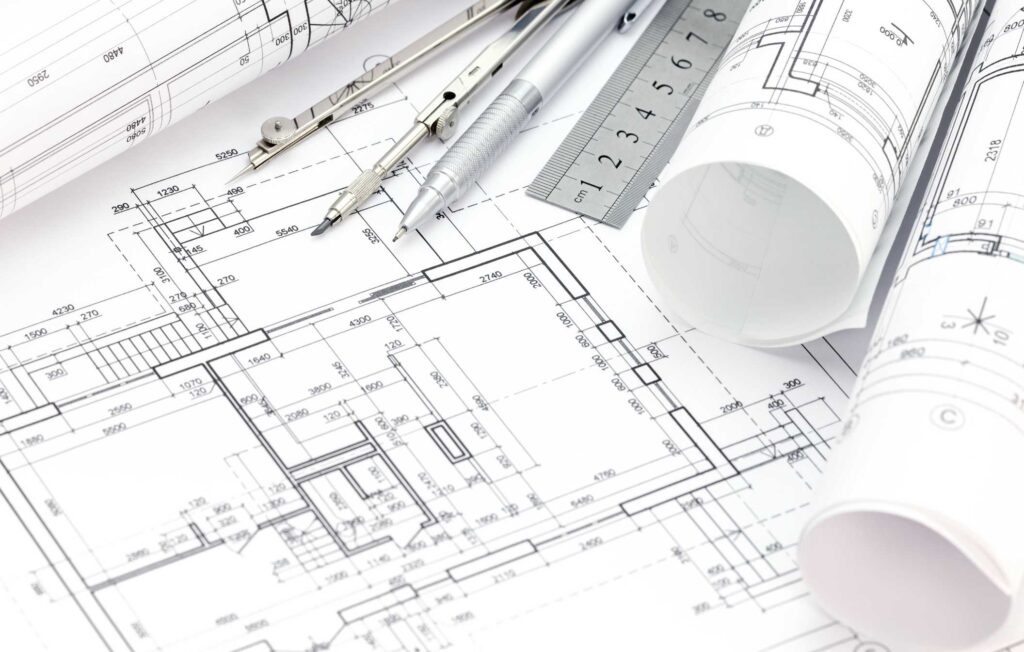
An open floor plan is a hallmark of modern space-saving design. By removing walls and barriers between the living, dining, and kitchen areas, we create a larger, more fluid space. This design choice not only increases the perceived size of a home but also creates an environment that encourages social interaction and facilitates easy movement between rooms.
One of our projects in Glen Iris exemplifies the power of an open-plan layout. The couple wanted a space that could easily transition between family meals, entertainment, and quiet evenings at home. By combining the kitchen, dining, and living rooms into one seamless area, we eliminated the feeling of restriction and made the space feel expansive.
The clever use of furniture zones (like a floating TV unit and modular seating) allowed for both functionality and visual separation without the need for walls. The result? A spacious, airy environment that feels as open as the outdoors.
Here are a few key benefits of open floor plans that we prioritise:
- Improved Flow: Without walls, rooms feel larger, and the space naturally adapts to the needs of the moment.
- Natural Light: Light can travel freely through the space, brightening every corner.
- Flexibility: The layout can be easily adjusted with simple changes in furniture arrangement to accommodate various occasions, from family dinners to social gatherings.
2. Multifunctional Spaces And Furniture: Getting The Most Out Of Every Room
In compact homes, every room needs to earn its keep. That’s why multifunctional spaces and furniture are at the core of our designs. We focus on creating rooms that serve multiple purposes—whether it’s a home office that doubles as a guest room or a dining table that transforms into a workspace. The key is making the most of every square metre while ensuring that each area feels functional.
For example, in a small two-bedroom house in South Melbourne, the homeowners were adamant about having a dedicated workspace despite their limited space. Rather than dedicating a whole room to an office, we integrated a fold-down desk and wall-mounted storage units into the living room. When the desk wasn’t needed, it tucked neatly into the wall, and the area could revert to a cosy lounge space. This approach allowed them to maximise the living area without compromising on functionality.
Here are a few examples of multifunctional furniture we love:
- Murphy beds: These fold-away beds free up space for other activities.
- Expandable dining tables Are Great for small families or those who frequently entertain.
- Storage ottomans: Serving as both seating and hidden storage.
- Convertible sofas: Can be transformed into a guest bed.
3. Optimising Vertical Space: Building Up, Not Out
When floor space is tight, it’s time to look up. Vertical space optimisation is a key strategy in creating more usable space in any home, and it’s a technique that we love. From wall-mounted shelves to tall cabinets, utilising height allows us to free up the floor and create more room for daily activities. Lofted spaces, such as a mezzanine bedroom or a raised study nook, also make the most of high ceilings.
A fantastic example of this was a studio apartment in the city where we designed a lofted bedroom. The ground level of the apartment now served as a spacious lounge and dining area, while the loft created a cosy sleeping nook above. This clever use of vertical space added an entire living zone without encroaching on the apartment’s already limited footprint.
Some of our go-to strategies for optimising vertical space include:
- Tall bookshelves: Not only do they store your collection, but they also act as design features
- Hanging storage solutions: From kitchen racks to wall hooks, they keep items off the floor, keeping your space organised and tidy.
- Lofted areas: Great for creating functional zones in high-ceilinged spaces.
4. Custom Built-In Storage: Tailored To Maximise Space
Built-in storage is one of the most effective ways to save space in a home without sacrificing style. Custom cabinetry allows us to maximise every inch, creating storage solutions that blend seamlessly into the design. We love replacing freestanding furniture with built-in solutions, such as under-stair storage, integrated wardrobes, and custom bench seating with hidden drawers.
In a recent project in Hampton, the owners were concerned about clutter, especially in their entryway. Instead of placing bulky coat racks or freestanding storage units, we designed a custom entryway unit that included hidden drawers for shoes and a bench seat with storage compartments. The result was a clutter-free entry that felt open and welcoming, rather than cramped and confined.
Here are a few ideas we use to integrate built-in storage:
- Under-stair cupboards: Great for stashing away household essentials.
- Built-in wardrobes: Maximise wall space and create a streamlined look.
- Banquette seating with hidden drawers: Perfect for added seating with a storage bonus.
5. Efficient Use Of Hallways: Reducing Wasted Space
Hallways can often be the most underutilised spaces in a home, particularly in compact designs. By eliminating or reducing the use of hallways, we can redirect that space into functional areas. This is especially important for narrow or small homes, where every metre counts.
Take a look at one of our projects in Brighton East, where we designed a compact townhouse. Instead of having a long hallway leading to the bedrooms, we used direct access points from the living area to the bedrooms and bathroom. This allowed us to extend the living space into what would have been a hallway, creating a more open and fluid layout.
Top Space-Saving Strategies From Hamilton Bardin’s Designs
Creating a space-efficient home goes beyond clever design; it’s about using every inch of space thoughtfully and making smart choices that contribute to the overall functionality of the home. At Hamilton Bardin, we employ a mix of time-tested strategies and innovative solutions to ensure every project maximises its potential, no matter the size. Here are some of the top strategies we use to create efficient and functional space-saving designs.
1. Maximising Natural Light And Open Sight Lines
Natural light can transform a room. A well-lit space feels open, airy, and much larger than one that’s dimly lit or enclosed. One of the first design principles we incorporate into every project is to ensure that natural light flows freely throughout the home.
In our recent project in Elwood, the challenge was designing a home with a narrow frontage; yet, we successfully achieved a sense of spaciousness by strategically placing windows and large glass doors. We installed skylights in the kitchen and bathroom areas, which flooded the rooms with natural light, giving them a sense of openness. This wasn’t just about aesthetics—it also helped reduce energy costs by minimising the need for artificial lighting during the day.
Here’s how we maximise natural light in our designs:
| Strategy | Benefits |
| Large Windows | Brings in more natural light, expanding the feeling of space in smaller rooms |
| Skylights | Floods the room with light, brightening darker spaces, such as kitchens and bathrooms |
| Glass Walls/Bi-Fold Doors | Connects the indoors with outdoor living areas, increasing visual space and natural light flow |
2. Smart Furniture Choices And Multi-Use Designs
When working with limited space, furniture must serve dual purposes. In the Hamilton Bardin philosophy, every piece of furniture must either serve a primary function or have multiple uses to ensure no space is wasted. Our design teams are experts at selecting pieces that serve dual purposes without compromising on style.
One of the most effective space-saving furniture choices we’ve integrated into several homes is the Murphy bed—a fold-away bed that disappears when not in use. In one case, we transformed a small room in a St Kilda apartment into a home office during the day and a guest bedroom at night. The bed folded neatly into a built-in unit, leaving the space open for daily activities. This allowed the owners to maximise their living space without sacrificing comfort or functionality.
| Furniture Type | Benefit |
| Murphy Bed | Frees up floor space when not in use, allowing the room to serve multiple functions. |
| Lift-Top Coffee Tables | Doubles as both dining and work surfaces, providing extra storage space and versatility. |
| Storage Ottomans | Serves as both seating and storage, ideal for smaller living spaces. |
| Expandable Dining Tables | Adjusts for different needs, saving space when not in use while accommodating guests. |
3. Creating Flexible Spaces With Sliding Walls And Doors
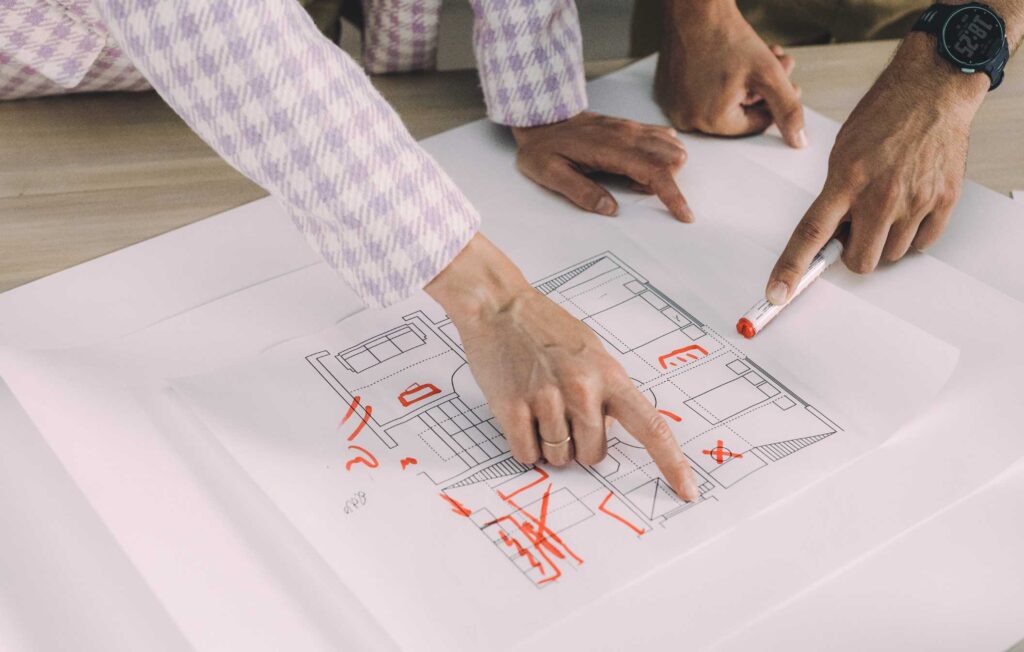
In a compact home, flexibility is key. The ability to easily change a room’s function can make all the difference. One of the standout features of our designs is the use of sliding doors and folding walls, which enable rooms to be transformed according to the family’s current needs.
For instance, in a compact townhouse we designed in Brighton, the living room could be closed off to become a private home office or guest room when required. During regular family time, the space was open, with no barriers to disrupt the flow of conversation. These clever partition systems were designed to blend seamlessly into the overall aesthetic of the home, so when the doors were opened, the rooms still felt airy and connected.
| Design Element | Benefit |
| Sliding Partitions | Allows a room to be divided without losing openness, offering privacy when needed. |
| Bi-fold Doors | Easily separates or opens up spaces, creating more dynamic, functional areas. |
| Pocket Doors | Disappear into the wall when not in use, perfect for narrow spaces to maximise the room. |
4. Compact Kitchens With Integrated Storage Solutions
The kitchen is often the heart of the home, but in smaller spaces, it can become overcrowded with appliances and utensils. That’s why smart kitchen design is crucial in any compact home. We always work with our clients to ensure their kitchens are efficient and compact without sacrificing the elements that make cooking enjoyable.
For example, in one of our recent builds in South Yarra, we designed a galley kitchen that featured integrated storage solutions like pull-out pantries, hidden drawers, and under-cabinet shelving. We also included compact appliances—such as a narrow fridge and stacked washer/dryer units—to maximise the space’s openness. The result was a highly functional kitchen that didn’t feel cramped, with everything the homeowners needed within easy reach.
| Strategy | Benefit |
| Pull-out Shelves/Drawers | Maximises access to pantry items, reducing clutter and optimising storage space. |
| Compact Appliances | Smaller, space-efficient appliances that reduce clutter and maximise kitchen space. |
| Built-in Storage Solutions | A streamlined design that makes the kitchen functional while maintaining a sleek appearance. |
5. Thoughtfully Designed Storage For Hidden Clutter
There’s no better way to maximise space than by hiding the clutter. At Hamilton Bardin, we’re always thinking about how to disguise or conceal storage so that it enhances the overall aesthetic of the home. Built-in storage, such as under-stair cupboards, hidden laundry nooks, and bench seating with storage, is a key feature we incorporate in our designs.
A recent project in Malvern gave us the perfect opportunity to showcase our storage expertise. We transformed an unused alcove into a hidden laundry, which freed up valuable space in the kitchen and bathroom. We also integrated floor-to-ceiling storage units throughout the home, allowing for seamless storage solutions that were both functional and visually unobtrusive.
| Storage Solution | Benefit |
| Under-Stair Storage | Utilises otherwise wasted space, turning it into a functional area for everyday use. |
| Hidden Laundry Units | Keeps laundry out of sight, maintaining a clean, open aesthetic while saving space. |
| Storage Bench Seating | Doubles as extra seating while offering hidden storage for a clutter-free environment. |
At Hamilton Bardin, we understand that a well-designed space is not just about the physical footprint; it’s about how every corner and every inch works to enhance the way you live. Whether it’s through smart storage solutions, flexible layouts, or the integration of sustainable technology, our space-saving designs are carefully crafted to maximise your home’s potential.
The growing trend towards compact living is not just a result of necessity—it’s about creating smarter, more functional spaces that truly reflect your lifestyle. With our expertise in designing innovative and efficient floor plans, Hamilton Bardin can help transform any space, big or small, into a home that works for you.
